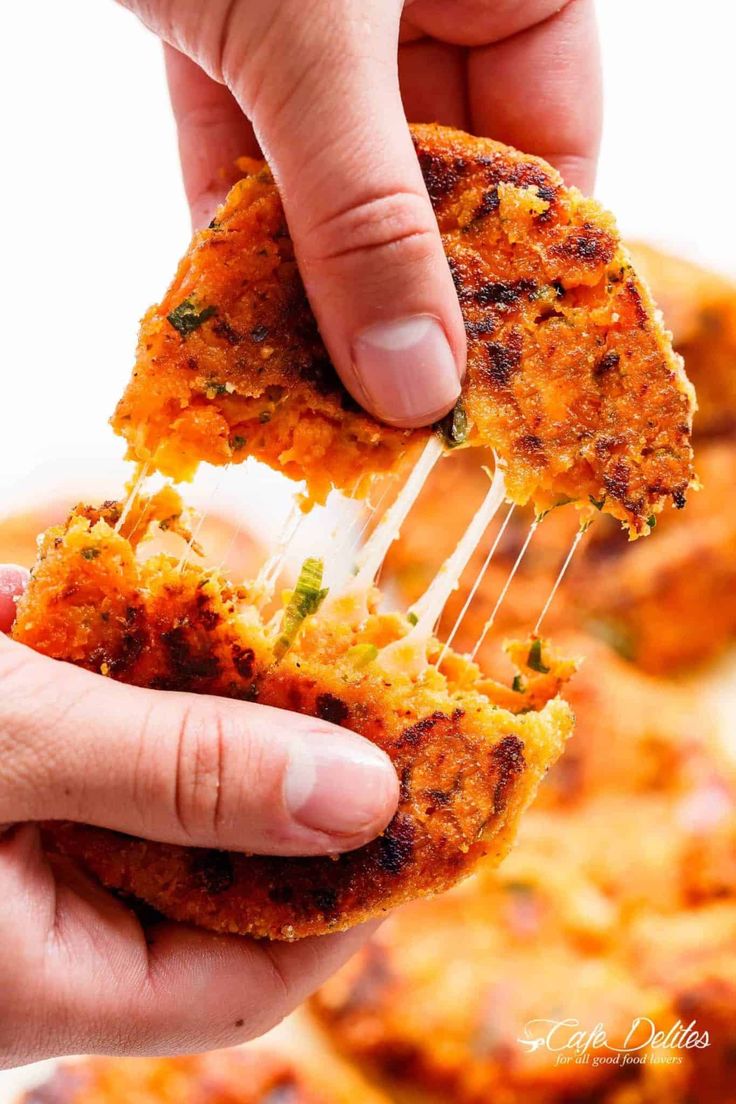
Beyond the Plate: Unveiling the Nutritional Riches of Cheesy Mashed Sweet Potato Cakes
Cheesy Mashed Sweet Potato Cakes are more than just a delightful comfort food; they're a vibrant fusion of flavors and textures that can offer a surprising array of nutritional benefits. Combining the inherent goodness of sweet potatoes with the satisfying richness of cheese, these golden-brown patties have earned their place at the table, whether as a wholesome side dish, a delectable appetizer, or even a light main course. While their deliciousness is undeniable, understanding their nutritional profile allows us to appreciate them not just as a treat, but as a valuable component of a balanced diet.
This comprehensive guide delves into the full nutrition facts breakdown of cheesy mashed sweet potato cakes, moving beyond mere ingredients to explore the health implications, dietary considerations, and tips for optimizing their nutritional value. Prepare to gain a deeper insight into how these irresistible cakes can fit into your healthy lifestyle, proving that nourishing food can indeed be incredibly tasty.
The Core Ingredients: A Nutritional Overview
At the heart of any
cheesy mashed sweet potato cake recipe lies, predictably, sweet potatoes and cheese. Understanding the individual contributions of these primary components provides a foundational appreciation for the dish's overall nutritional value.
Sweet Potatoes: A Nutritional Powerhouse
Sweet potatoes are nutritional superstars, celebrated for their vibrant color and impressive nutrient density. They are an excellent source of complex carbohydrates, providing sustained energy without the sharp blood sugar spikes associated with simple sugars. Beyond energy, sweet potatoes are rich in:
*
Beta-Carotene (Vitamin A): This potent antioxidant is responsible for the orange hue of sweet potatoes. It converts to Vitamin A in the body, crucial for vision, immune function, and skin health.
*
Vitamin C: Another powerful antioxidant that supports immune health, collagen production, and helps protect cells from damage.
*
B Vitamins: Including B6, which plays a role in brain development and function, and B5, important for energy metabolism.
*
Manganese: A trace mineral vital for bone health, metabolism, and antioxidant defense.
*
Potassium: An electrolyte essential for maintaining fluid balance, nerve signals, and muscle contractions, and can help regulate blood pressure.
*
Fiber: Crucial for digestive health, promoting regularity, and contributing to feelings of fullness, which can aid in weight management.
Cheese: Flavor, Calcium, and Protein
Cheese, while often viewed as an indulgence, brings its own set of nutritional advantages to the sweet potato cake. The type of cheese used (cheddar, Parmesan, mozzarella, etc.) will influence the exact nutritional content, but generally, cheese contributes:
*
Protein: A complete protein source, essential for muscle repair, growth, and overall body function.
*
Calcium: The most well-known benefit, vital for strong bones and teeth, nerve transmission, and muscle function.
*
Phosphorus: Works with calcium to build strong bones and teeth, and is involved in energy production.
*
Vitamin B12: Important for nerve function and red blood cell formation.
*
Fat: While cheese does contain saturated fat, it also provides energy and helps absorb fat-soluble vitamins. Moderation is key here.
Together, these ingredients create a synergistic nutritional profile, offering a balanced mix of carbohydrates, protein, fats, and a wide array of vitamins and minerals. For a deeper dive into the specific ingredients that make these cakes so delightful, you might want to explore
Crafting Cheesy Mashed Sweet Potato Cakes: Ingredients Guide.
Decoding the Nutrition Facts: A Detailed Breakdown
To provide a comprehensive understanding, let's break down the typical nutritional values for a serving of
cheesy mashed sweet potato cakes. Please note that these figures are illustrative and can vary significantly based on specific ingredients, portion sizes, cooking methods (baked vs. fried), and the exact recipe used. A typical serving might consist of two medium-sized cakes (approximately 150-200g total).
Calories and Macronutrients
*
Calories (Energy): A serving (2 cakes) might range from 250-400 calories. This makes them a moderately energy-dense food, providing sufficient fuel without being excessively high.
*
Carbohydrates: Sweet potatoes are the primary source, contributing around 30-50g per serving. These are mostly complex carbohydrates, offering sustained energy release and preventing rapid blood sugar spikes. A good portion of this is dietary fiber.
*
Protein: Thanks to the cheese and potentially an egg binder, a serving can provide 8-15g of protein. This is a respectable amount that contributes to satiety and supports muscle health.
*
Fats: Fat content can vary widely, from 10-25g per serving, depending on the amount and type of cheese, added butter/oil, and cooking method.
*
Saturated Fat: Primarily from cheese and butter, typically 5-15g. While moderation is advised, it's not inherently "bad" and provides energy.
*
Unsaturated Fat: If healthy oils (e.g., olive oil) are used for cooking or binding, this contributes beneficial mono- and polyunsaturated fats.
Micronutrients: Vitamins and Minerals
Beyond the macros,
cheesy mashed sweet potato cakes truly shine in their micronutrient profile:
*
Vitamin A: Often exceeding 100% of the Daily Value (DV) per serving, thanks to the sweet potato's beta-carotene content. Essential for vision, immune function, and cell growth.
*
Vitamin C: Provides a significant percentage (20-40% DV) of Vitamin C, bolstering immunity and acting as an antioxidant.
*
Calcium: Largely from the cheese, contributing 15-30% DV, vital for bone health.
*
Potassium: Abundant in sweet potatoes, offering 10-20% DV, important for blood pressure regulation and nerve function.
*
Manganese: Sweet potatoes are a good source, providing 10-15% DV, crucial for bone development and metabolism.
*
B Vitamins (B6, B12, Niacin): Contribute to energy metabolism and neurological health. B12 is notably from the cheese.
*
Iron: A small but notable amount, important for oxygen transport in the blood.
Fiber and Sodium
*
Dietary Fiber: A typical serving will deliver 4-7g of fiber, predominantly from the sweet potatoes. This is excellent for digestive health, promoting satiety, and helping to regulate blood sugar levels.
*
Sodium: The sodium content can be higher due to the cheese and added salt. A serving might contain 300-600mg. Those monitoring sodium intake should be mindful of this and consider low-sodium cheese options and reducing added salt.
In summary, a serving of
cheesy mashed sweet potato cakes provides a good mix of energy, protein, and a substantial boost of essential vitamins and minerals, especially Vitamin A and calcium, along with beneficial dietary fiber.
Health Benefits and Dietary Considerations
Integrating
cheesy mashed sweet potato cakes into your diet can offer several health benefits, but it's also important to consider certain dietary aspects to maximize their positive impact.
The Upsides: Fueling Your Body
*
Sustained Energy: The complex carbohydrates from sweet potatoes provide a steady release of glucose, ideal for maintaining energy levels throughout the day without the sugar crash.
*
Immune Support: The high levels of Vitamin A and C are powerful antioxidants that bolster the immune system, helping your body ward off illnesses.
*
Bone Health: Calcium from cheese, combined with magnesium and phosphorus, contributes to strong bones and teeth, reducing the risk of osteoporosis.
*
Digestive Wellness: The significant fiber content promotes healthy digestion, prevents constipation, and can support a healthy gut microbiome.
*
Heart Health: Potassium helps manage blood pressure, and if healthy fats are used in preparation, these cakes can contribute to a heart-healthy diet.
Mindful Eating: What to Watch For
*
Sodium Content: As noted, cheese and added salt can increase sodium. Opt for low-sodium cheese varieties and season carefully.
*
Fat Content: While some fat is essential, excessive amounts of saturated fat from butter and full-fat cheese, or from deep frying, should be moderated. Baking or air-frying can significantly reduce added fats.
*
Portion Control: While nutritious, these cakes are calorie-dense. Being mindful of serving sizes helps in managing overall calorie intake.
*
Allergens: Dairy (cheese, butter, milk) and potential gluten (flour, breadcrumbs) are common allergens. Always check ingredients if you have sensitivities.
Crafting Healthier Cheesy Mashed Sweet Potato Cakes: Tips and Tricks
Making your
cheesy mashed sweet potato cakes even more nutritionally beneficial is simple with a few smart adjustments.
*
Reduce Sodium: Choose low-sodium cheeses, vegetable broth instead of salted water for mashing, and rely on herbs and spices (garlic powder, onion powder, paprika, black pepper, sage, thyme) for flavor instead of excessive salt.
*
Lower Fat:
* Opt for reduced-fat cheese varieties.
* Use a minimal amount of healthy oil (like olive or avocado oil) for binding or pan-frying.
* Consider baking or air-frying instead of pan-frying or deep-frying to drastically cut down on added fats.
* Use skim milk or a plant-based milk alternative instead of full-fat milk or cream when mashing.
*
Boost Fiber: Leave a little bit of the sweet potato skin on (if well-washed) for extra fiber and nutrients. Add finely chopped vegetables like spinach or grated zucchini to the mash.
*
Increase Protein: Incorporate an extra egg white into the mixture or serve alongside a lean protein source like grilled chicken or fish.
*
Enhance Micronutrients: Experiment with different sweet potato varieties (purple sweet potatoes offer unique antioxidants called anthocyanins) and add fresh herbs like parsley or chives for an extra nutrient boost.
By making conscious choices during preparation, you can tailor your cheesy mashed sweet potato cakes to align perfectly with your dietary goals without sacrificing flavor.
Integrating Cheesy Mashed Sweet Potato Cakes into Your Diet
These versatile cakes can be more than just a fleeting indulgence. They make an excellent and nutritious side dish for a variety of meals, pairing wonderfully with roasted chicken, baked salmon, or a hearty vegetarian stew. For a lighter meal, two cakes served with a fresh green salad make a satisfying and balanced lunch. They can also be prepared in advance and reheated, making them ideal for meal prepping throughout the week. For even more culinary inspiration and ideas on how to incorporate them into your menu, don't forget to
Explore Related Recipes for Cheesy Mashed Sweet Potato Cakes.
Conclusion
The
cheesy mashed sweet potato cakes are a testament to how delicious and nourishing food can be. Far from being an empty calorie dish, they offer a rich blend of complex carbohydrates, quality protein, dietary fiber, and a treasure trove of essential vitamins and minerals, particularly Vitamin A and calcium. By understanding their nutritional profile and implementing smart preparation techniques, you can enjoy these savory cakes as a healthy and satisfying component of a balanced diet. So go ahead, savor each cheesy, sweet bite, knowing you're fueling your body with wholesome goodness.