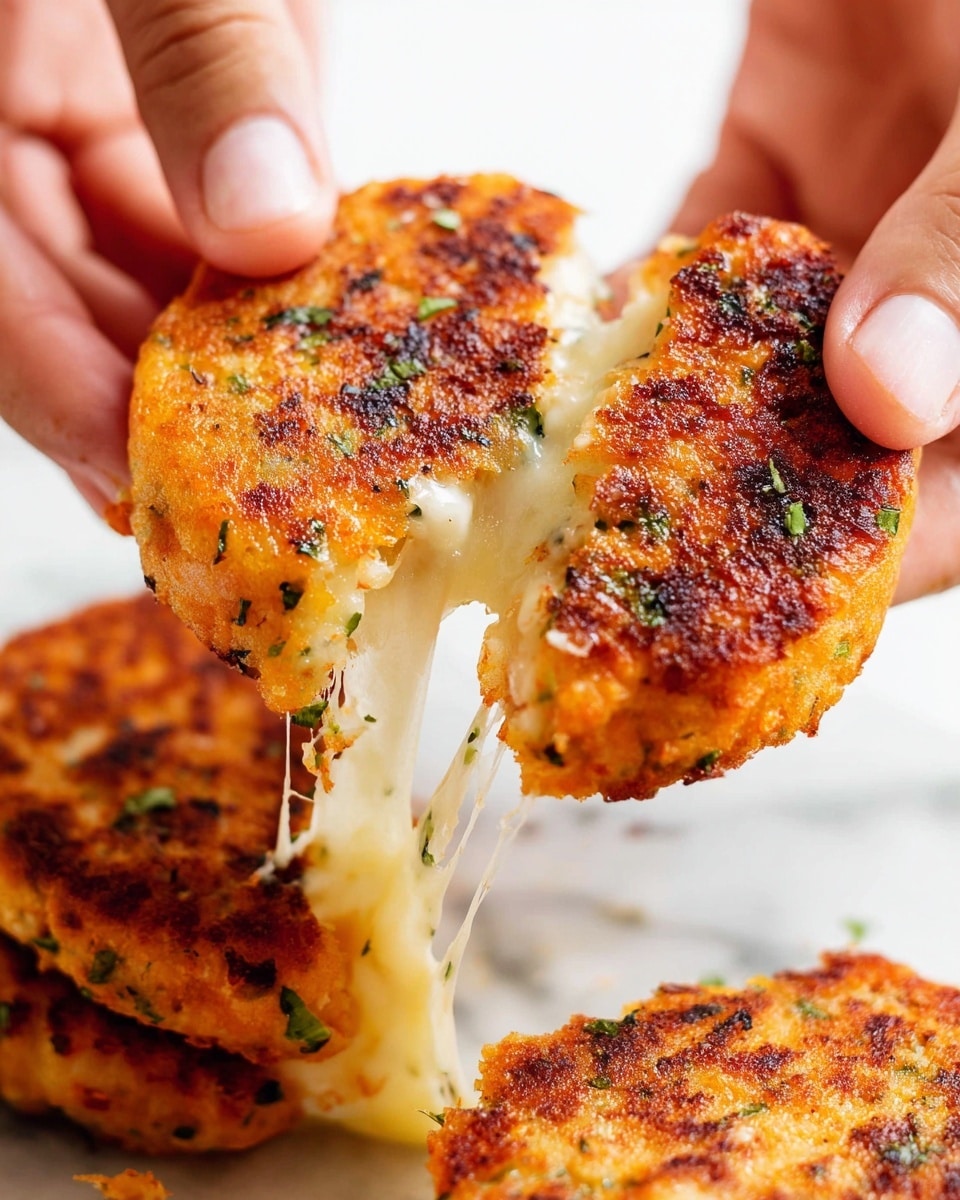
Crafting Cheesy Mashed Sweet Potato Cakes: An In-Depth Ingredients Guide
The humble sweet potato, with its vibrant color and inherent sweetness, offers a delightful canvas for culinary creativity. When transformed into delectable, crispy-on-the-outside, creamy-on-the-inside cakes, especially when infused with the irresistible pull of cheese, it becomes a dish that transcends simple side status. Crafting truly exceptional
cheesy mashed sweet potato cakes isn't just about following a recipe; it's about understanding the role each ingredient plays, from the starchy base to the binding agents and the flavor enhancers. This comprehensive guide will walk you through the essential ingredients, offering insights into selection, preparation, and how to maximize their contribution to create the ultimate sweet potato experience.
The Heart of the Dish: Perfecting Your Sweet Potato Base
The foundation of any great sweet potato cake is, naturally, the sweet potato itself. Choosing the right variety and preparing it correctly sets the stage for success, impacting both texture and inherent sweetness.
Selecting Your Sweet Potatoes Wisely
While most orange-fleshed sweet potatoes (like Beauregard or Jewel varieties) will work wonderfully, consider their nuances.
- Orange-Fleshed Sweet Potatoes: These are the most common and provide a beautiful, vibrant color and a distinctly sweet, moist flesh when cooked. They are ideal for a classic, sweet-savory profile in your cheesy mashed sweet potato cakes.
- White or Yellow-Fleshed Sweet Potatoes: Varieties like Hannah or Japanese sweet potatoes are less sweet and have a drier, sometimes starchier texture. They can offer a more savory base, allowing the cheese and other seasonings to shine more prominently.
- Purple Sweet Potatoes: Offering a stunning visual appeal and often a slightly nuttier, less sweet flavor, these can add an unexpected twist, though their texture can sometimes be a bit drier.
When selecting, look for firm, smooth sweet potatoes without soft spots, sprouts, or significant blemishes. Size matters too; medium-sized potatoes cook more evenly than very large ones.
Preparing for Optimal Texture and Flavor
How you cook your sweet potatoes dramatically affects the final moisture content and flavor of your mashed base.
- Roasting: Roasting sweet potatoes (whole or halved) caramelizes their natural sugars, intensifying their sweetness and depth of flavor. This method also tends to result in a drier mash, which is excellent for firm cakes that hold their shape. Simply poke holes in whole potatoes, rub with a little oil, and roast at 400°F (200°C) until fork-tender.
- Baking: Similar to roasting, baking whole sweet potatoes in their skins in the oven retains nutrients and flavor, leading to a flavorful and relatively dry mash.
- Boiling/Steaming: While quicker, boiling can waterlog sweet potatoes, leading to a mushy, less flavorful mash. If boiling, cut them into uniform pieces and drain them *very* thoroughly, perhaps even letting them steam dry in the hot pot for a few minutes after draining, to remove excess moisture. Steaming is a better option than boiling as it prevents water absorption while still cooking them efficiently.
Regardless of the method, ensure the sweet potatoes are cooked until completely fork-tender. Peel them while warm (but cool enough to handle) and mash immediately. For the best texture in your
cheesy mashed sweet potato cakes, avoid over-mashing, which can make them gluey. A potato ricer is fantastic for achieving a smooth, fluffy consistency, while a fork leaves some pleasing textural variations.
Unlocking Flavor: The Cheese and Seasoning Symphony
The "cheesy" aspect is what elevates these cakes from good to utterly irresistible. The right cheese and a thoughtful selection of seasonings transform the sweet potato base into a harmonious explosion of flavor.
The Cheese Factor: A World of Possibilities
The cheese you choose will define the savory character of your
cheesy mashed sweet potato cakes. Aim for cheeses that melt well and offer complementary flavors.
- Sharp Cheddar: A classic choice, sharp cheddar brings a robust, tangy flavor and a beautiful golden hue. It melts well and creates delightful pockets of gooeyness.
- Smoked Gouda: For a sophisticated twist, smoked gouda offers a rich, nutty, and subtly smoky flavor that pairs exceptionally well with the sweetness of the potatoes.
- Monterey Jack/Pepper Jack: Monterey Jack provides a mild, creamy melt, while Pepper Jack adds a pleasant, subtle kick of heat, ideal if you enjoy a little spice.
- Parmesan/Asiago: Grated Parmesan or Asiago can be mixed in for a salty, umami depth, especially if combined with a milder melting cheese.
- Mozzarella: While milder in flavor, mozzarella offers an incredible stretchy, gooey texture, making your cakes incredibly satisfying.
- Cream Cheese: A dollop of cream cheese can add a luxurious creaminess and a slight tang, enhancing the overall richness.
Don't be afraid to combine two or three types of cheese for a complex flavor profile – perhaps a sharp cheddar for tang, a smoked gouda for depth, and a touch of mozzarella for melt. Always grate your own cheese from a block; pre-shredded cheeses often contain anti-caking agents that can hinder smooth melting.
Herbs, Spices, and Aromatics: Building Depth
These elements are crucial for balancing the sweetness of the potato and enhancing the savory notes of the cheese.
- Salt and Black Pepper: Non-negotiable. Salt balances sweetness and brings out all other flavors. Freshly ground black pepper adds a necessary pungency.
- Garlic and Onion Powder: These pantry staples provide consistent, savory background notes. For a fresher, more intense flavor, sauté finely minced fresh garlic and onion (or shallots) until translucent before adding them to the mash.
- Paprika: Sweet or smoked paprika adds warmth, a subtle earthy sweetness, and a lovely color. Smoked paprika, in particular, enhances the savory depth.
- Cayenne Pepper/Chili Powder: A pinch can add a gentle warmth or a fiery kick, depending on your preference, beautifully contrasting the sweet potato.
- Fresh Herbs: Finely chopped fresh chives, parsley, thyme, or rosemary can elevate the flavor profile. Thyme and rosemary pair exceptionally well with sweet potatoes. Add them towards the end of mixing to preserve their fresh taste.
- Nutmeg: A small grate of fresh nutmeg can bring out the inherent sweetness of the potato in a subtle, sophisticated way.
Remember to taste and adjust seasonings as you go. The flavors will deepen during cooking, but the initial mix should taste well-balanced.
The Binding and Textural Elements: Ensuring Cake Perfection
To transform mashed sweet potatoes into cohesive, fryable cakes, you need ingredients that bind the mixture together and contribute to a desirable exterior texture.
Essential Binders for Structural Integrity
Without proper binding agents, your
cheesy mashed sweet potato cakes would crumble in the pan.
- Eggs: Beaten eggs are the most common and effective binder. The protein in the egg coagulates upon heating, holding the mixture together. Typically, one large egg per pound of sweet potatoes is a good starting point.
- Flour: All-purpose flour or even a gluten-free blend can provide additional structure and help absorb any excess moisture. A few tablespoons are usually sufficient. For a crispier coating, some recipes call for dusting the formed cakes in flour or breadcrumbs before frying.
- Breadcrumbs: Panko breadcrumbs are excellent for adding a crispy exterior. They can be mixed into the mash to absorb moisture and bind, or used as a coating for frying. Regular fine breadcrumbs also work, but panko generally delivers a superior crunch.
- Cornstarch/Potato Starch: For a gluten-free option or an extra binding boost, a tablespoon or two of cornstarch or potato starch can be very effective in keeping the cakes together.
The key is to achieve a mixture that is firm enough to shape without being overly stiff or dry. If your mash feels too wet, add more flour or breadcrumbs gradually until it's workable.
Fats and Dairy for Richness and Moisture
These ingredients contribute to the luscious interior texture and aid in achieving a golden, crispy crust.
- Butter: A classic for mashed potatoes, a tablespoon or two of unsalted butter adds richness and a silky mouthfeel. It also aids in browning the cakes beautifully.
- Olive Oil/Vegetable Oil: While butter adds flavor, a neutral cooking oil is often used for frying the cakes. A thin layer of oil in a hot pan ensures a crisp, golden-brown crust.
- Milk/Cream/Sour Cream: A splash of milk, cream, or even sour cream can be added to the mashed sweet potatoes to achieve a desired creamy consistency. If your sweet potatoes are naturally moist, you might not need much, or any, dairy. Sour cream, in particular, adds a lovely tang and richness.
Balance is key. Too much liquid and your cakes will be hard to form and fry; too little, and they'll be dry and crumbly.
Elevating Your Cheesy Mashed Sweet Potato Cakes: Pro Tips for Success
Beyond the basic ingredients, a few expert tips can ensure your
cheesy mashed sweet potato cakes are truly exceptional.
- Control Moisture: This is perhaps the most critical factor. Overly wet sweet potato mash will result in soggy, difficult-to-handle cakes. Always allow cooked sweet potatoes to steam off excess moisture before mashing, and don't be afraid to adjust with binders if the mix feels too loose.
- Taste as You Go: Sweet potatoes vary in sweetness and moisture. Continually taste your mash as you add seasonings and cheese. This ensures a perfectly balanced flavor profile.
- Chill for Firmness: Once you've mixed and formed your cakes, chilling them for at least 30 minutes (or even overnight) in the refrigerator will help them firm up. This makes them much easier to handle and prevents them from falling apart during cooking.
- Don't Overcrowd the Pan: When frying, cook the cakes in batches to avoid lowering the pan temperature. This ensures a consistently crispy crust.
- Experiment with Coatings: For an extra crispy exterior, dredge your formed cakes in a light coating of flour, then beaten egg, and finally panko breadcrumbs before frying.
For those curious about the nutritional profile of this delightful dish, we've prepared a detailed breakdown. You can find all the facts and figures by visiting our comprehensive guide:
Cheesy Mashed Sweet Potato Cakes: Full Nutrition Facts Breakdown. And if these ingredient discussions have sparked your culinary imagination, you might be interested in exploring further recipe variations and creative takes on this versatile dish. Discover more inspiration here:
Explore Related Recipes for Cheesy Mashed Sweet Potato Cakes.
Conclusion
The journey to crafting the perfect batch of
cheesy mashed sweet potato cakes is a delicious adventure in ingredient selection and preparation. From the inherent sweetness and texture of your chosen sweet potato variety to the savory depth of your selected cheeses, the aromatic kick of herbs and spices, and the crucial role of binding agents, each component plays a vital part. By understanding these individual contributions and applying a few key techniques, you're not just following a recipe; you're becoming a master of flavor and texture. So, gather your ingredients, embrace the process, and prepare to enjoy a truly unforgettable dish that marries comfort with culinary sophistication.